Atlantic58 leads new partnership to strengthen seabird conservation in the Summer Isles
Innovative research could transform seabird conservation across island archipelagos.
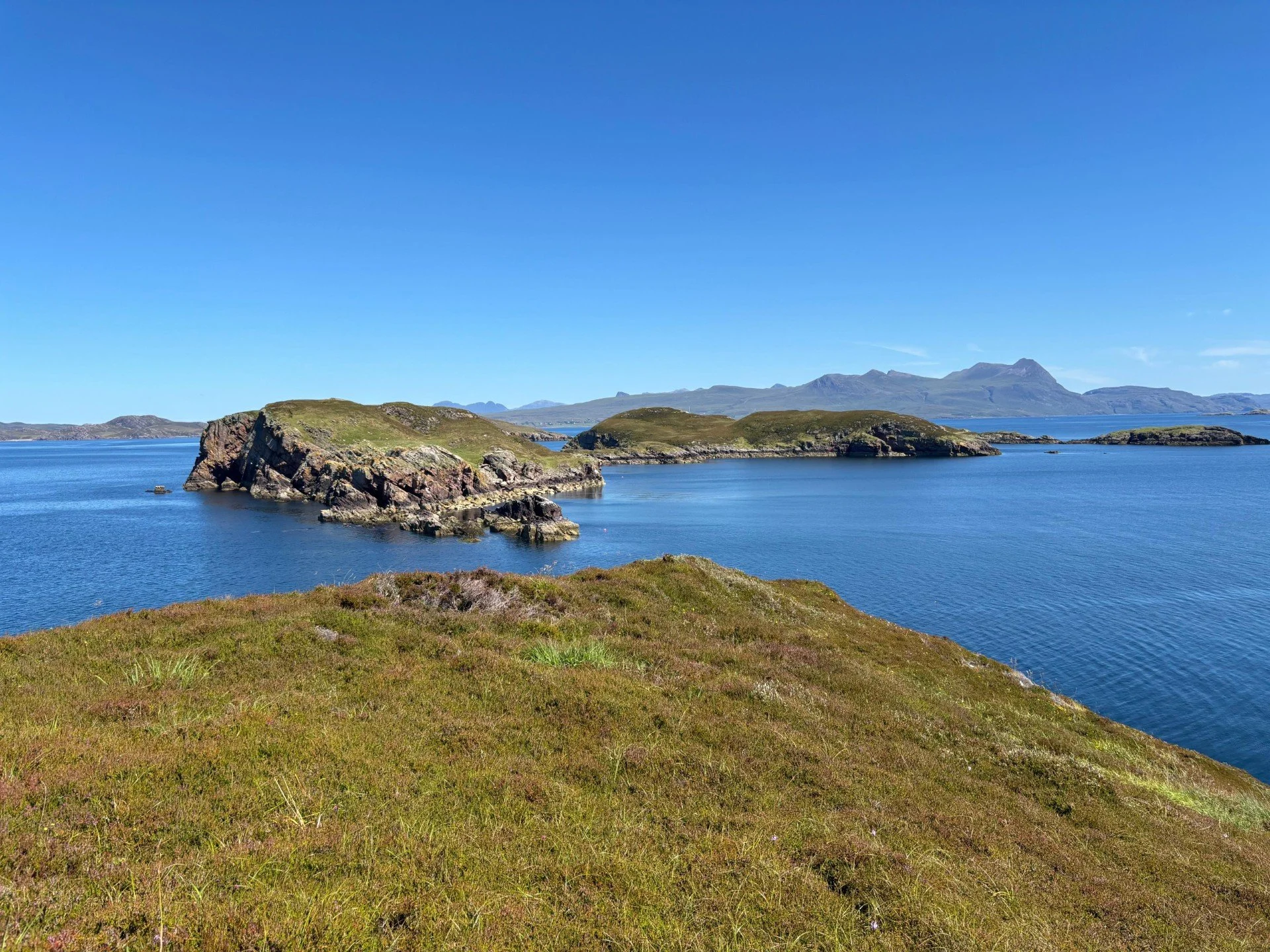
A new partnership of community organisations, researchers and landowners has launched an ambitious archipelago-scale project across the Summer Isles using innovative scientific monitoring techniques to improve understanding of seabirds and help restore habitats.
The Summer Isles are home to internationally important breeding seabirds, including the elusive European storm petrel. Despite their importance, much remains unknown about some of the species that nest across the islands and the threats they face.
Dr Ruth Jeavons said:
"Conservation starts with having the right information, which the Taking Flight fund from SMEEF allows us to gather. The Summer Isles are a special place, with internationally important wildlife and a community committed to its conservation. Bringing those strengths together gives us a unique opportunity to develop approaches that could improve not only how we monitor European storm petrels, but also how biosecurity is delivered across island archipelagos, helping reduce the impact of invasive mammalian predators on vulnerable seabird populations.”
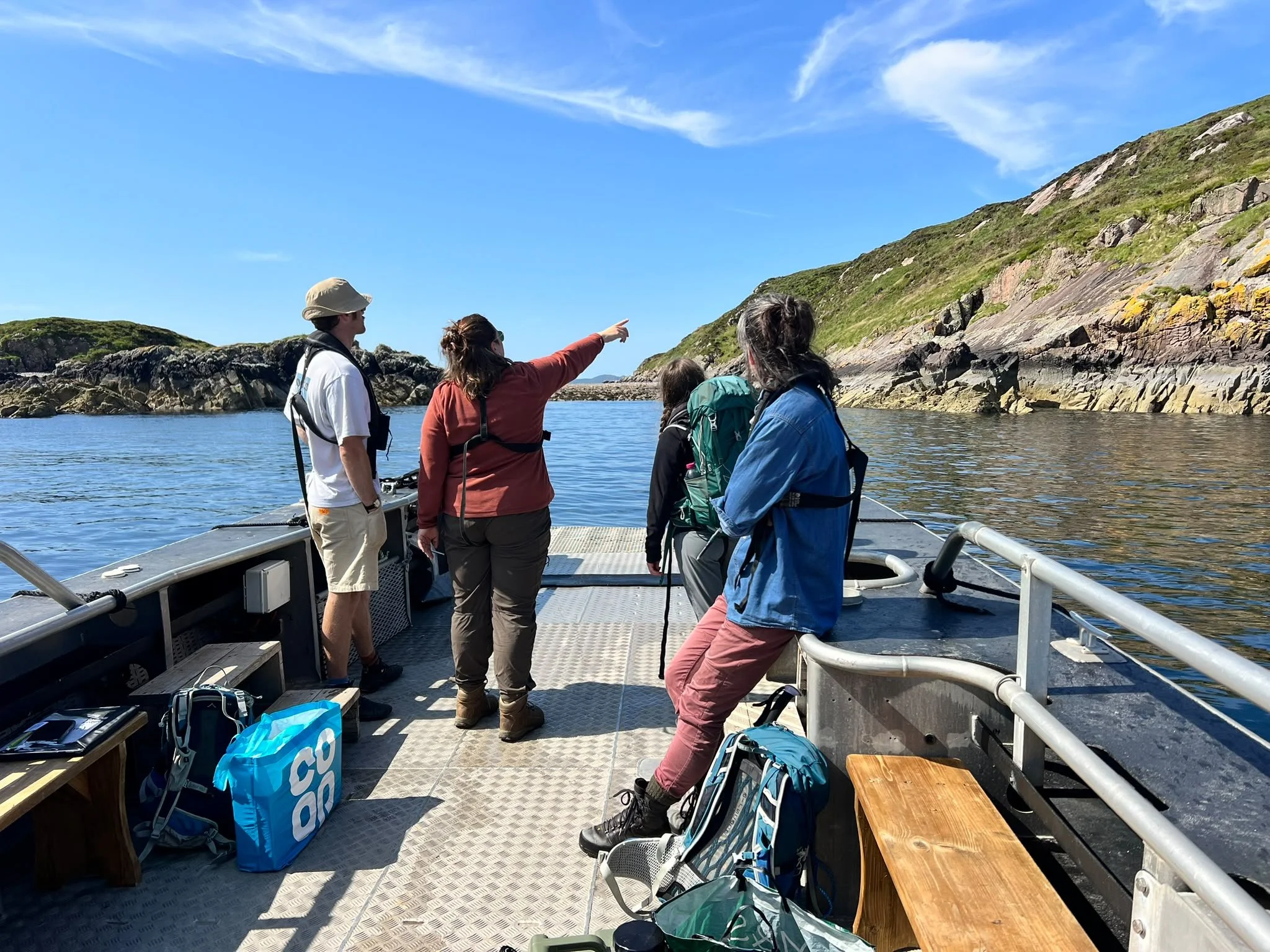
Island hopping
Teams headed to the Summer Isles.
The Building Seabird Resilience in the Summer Isles project is led by Dr Ruth Jeavons, Senior Ecological Consultant at Stornoway based ecological practice, Atlantic58, with funding from the Scottish Marine Environmental Enhancement Fund (SMEEF). Ruth is working alongside Beth Haine, Ecological Restoration Co-ordinator at the Tanera Project, Dr Elizabeth Masden, Research Fellow at UHI North, West and Hebrides’ Environmental Research Institute (ERI) and local landowner Rob Graham. The partnership brings together ecological consultancy, scientific research, local knowledge and practical conservation to improve understanding of the Summer Isles' internationally important seabirds and strengthen long-term biosecurity. As a vital local partner, The Tanera Project brings extensive local knowledge, strong community relationships and practical support for the delivery of the project across the archipelago.
Hettie Pike, SMEEF:
“SMEEF are pleased to have been able to support the project through our Seabird Resilience Fund, enabling Atlantic58 and their project partners to complete the first whole-archipelago storm petrel census on the Summer Isles, both using baseline monitoring methods and trialling exciting new technology to improve the accuracy and efficiency of seabird monitoring. In addition to this, the project will support a more co-ordinated mink rapid response programme, and has benefited from significant community engagement.”
At the heart of the project is the European storm petrel, one of Britain's smallest seabirds. Weighing little more than three £1 coins, these remarkable birds can live for up to 40 years and spend almost their entire lives at sea, returning to hidden burrows on remote islands only under the cover of darkness to breed. Their secretive behaviour makes them difficult to monitor, leaving significant gaps in our understanding of where they breed and how populations are changing. One of the project's key aims is to deliver the first archipelago-wide census of European storm petrels in the Summer Isles, while testing and refining survey techniques to improve future monitoring of this elusive species.
Dr Elizabeth Masden, ERI:
"This project provides us with the opportunity to really think about how we monitor seabirds in these habitats, and how we can improve methods to provide more informative data to aid seabird conservation."
With the first archipelago-wide storm petrel census now complete, the partnership will turn its attention to developing the Summer Isles biosecurity programme, with the involvement of volunteers and the community in Ullapool and Coigach.
Alongside the storm petrel surveys, the partnership aims to strengthen long-term biosecurity across the Summer Isles by developing a coordinated biosecurity programme to help prevent, detect and respond to invasive predator incursions. Building on work initiated through the volunteer-led Summer Isles Mink Control Initiative, the programme will strengthen long-term protection of the islands' vulnerable seabirds.